The Pappedeckel, a small cardboard lid, is making a big difference in sustainability. Though it may look simply, it plays a key role in reducing waste and supporting eco-friendly practices. Designed to fit various containers, this lid is not only practical but also good for the environment. Whether you’re a business owner or a DIY enthusiast, Pappedeckel offers an innovative, green solution. Let’s explore how this small lid can have a significant positive impact!
What is Pappedeckel?
Pappedeckel is a small, eco-friendly cardboard lid designed to cover containers, mainly in food packaging. These lids come in a variety of sizes and shapes, making them adaptable for many different uses. They are lightweight yet durable, offering an effective barrier against contaminants and helping maintain the freshness of products.
These lids are especially popular in takeout meals and artisanal products, as they combine practicality with sustainability. Businesses that aim to reduce their environmental impact are increasingly turning to Pappedeckel for its eco-friendly properties. With its versatile design and environmental benefits, Pappedeckel is becoming a go-to solution for both convenience and sustainability in packaging.
Background and Origin of It
The concept of Pappedeckel originated in Germany during the late 20th century as a sustainable alternative to plastic lids. Its introduction was driven by the growing need for eco-friendly packaging solutions. Quickly gaining popularity, the Pappedeckel addressed the rising concerns about plastic waste and its harmful impact on the environment.
Pappedeckel became a practical, environmentally responsible choice for various industries. As awareness about sustainability grew, businesses began adopting it to reduce their ecological footprint. The product’s success was also fueled by consumers who were more mindful of their environmental impact. Today, Pappedeckel continues to serve as an effective solution, combining convenience and sustainability to meet both packaging needs and environmental goals.
Materials Used in Its Production
Pappedeckel is mainly made from high-quality cardboard, which provides both strength and durability. This material is often sourced from recycled fibers, making it an environmentally friendly choice for manufacturers focused on reducing waste. By using recycled materials, Pappedeckel helps lower the demand for new resources and supports a circular economy.
In addition to cardboard, Pappedeckel may also feature biodegradable coatings or inks to ensure it is safe for food use. These coatings not only improve the lid’s performance but also maintain its eco-friendly nature. The combination of robust materials and sustainability makes Pappedeckel a popular option across various industries, offering both functionality and environmental benefits.
Common Uses of Pappedeckel
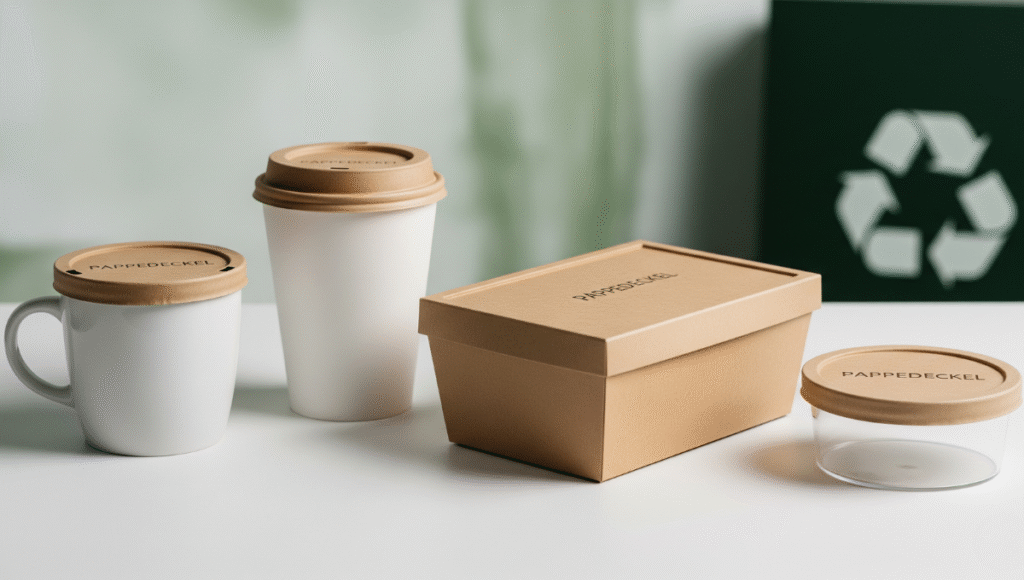
Pappedeckel is a versatile product used across multiple industries, especially in food packaging. These small cardboard lids are ideal for sealing cups, jars, and containers, making them essential for packaging items like sauces, snacks, and beverages. Their lightweight design also helps reduce shipping costs, making them cost-effective for businesses.
Beyond food packaging, Pappedeckel is also popular in the craft and DIY sectors. Creative individuals often use these lids as bases for art projects or decorative elements for events. Thanks to their eco-friendly properties, they meet both practical packaging needs and creative, aesthetic purposes, making them an excellent choice for various applications.
Pappedeckel in the Food and Beverage Sector
In the food and beverage industry, Pappedeckel is widely used to seal containers like cups, jars, and bottles. These eco-friendly lids help keep food fresh by providing a protective barrier against contaminants. They are perfect for packaging items like sauces, snacks, and beverages, ensuring that the products stay safe during storage and transport.
Pappedeckel’s lightweight design also reduces shipping costs, making it a practical option for businesses. As sustainability becomes more important to consumers, these cardboard lids are gaining popularity among companies looking to reduce their environmental impact. They offer a simple, green solution for packaging while maintaining the quality and freshness of food and drinks.
The Positive Impacts of Pappedeckel
Pappedeckel offers several positive impacts, making it a valuable choice for both businesses and the environment.
- Eco-friendly: Made from recyclable materials, Pappedeckel helps reduce plastic waste and promotes sustainability.
- Cost-effective: Its lightweight design lowers shipping costs, making it a budget-friendly option for businesses.
- Keeps food fresh: The lids provide a protective seal, keeping food safe and fresh during storage and transport.
- Versatile use: Pappedeckel is used in various industries, from food packaging to crafts and DIY projects.
- Consumer appeal: As more people seek sustainable products, Pappedeckel meets the growing demand for eco-friendly packaging solutions.
Pappedeckel’s Impact on the Environment
Here are the positive environmental impacts of Pappedeckel:
- Reduces Plastic Use: Pappedeckel is an excellent alternative to plastic lids, helping reduce plastic waste.
- Biodegradable: Made from cardboard, it breaks down naturally, unlike plastic, which takes hundreds of years to decompose.
- Recyclable: Pappedeckel can be recycled, promoting a circular economy and reducing waste.
- Conserves Resources: Using recycled fibers in production helps save natural resources and energy.
- Supports Sustainability: Choosing Pappedeckel over plastic packaging helps businesses and consumers make eco-friendly choices.
Pappedeckel in Art and Design
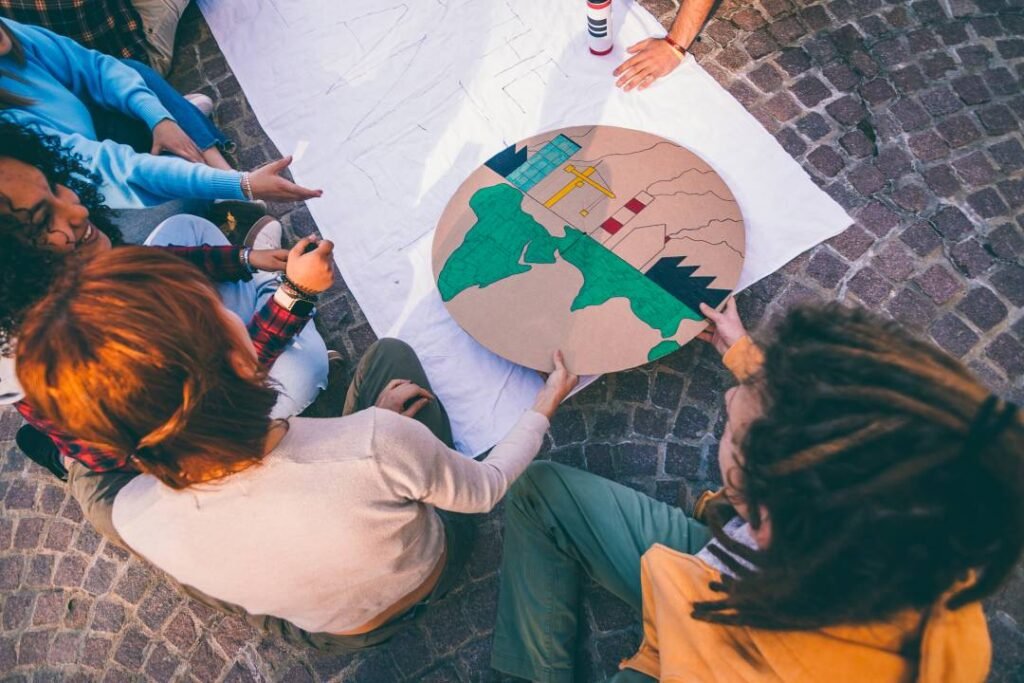
Pappedeckel is more than just a practical packaging tool; it’s a great source of inspiration for creativity. These small cardboard lids can be transformed into unique decorations for special events. For example, they can serve as rustic place cards at weddings or custom coasters for a personalized touch at home.
In art and design, Pappedeckel offers endless possibilities. DIY enthusiasts can use them as canvases for painting or drawing, adding a personal touch to home décor. Affordable and easy to work with, they provide a simple way to create beautiful, custom designs, making them a popular choice for creative projects.
Steps to Manufacture Pappedeckel
Here are the basic steps to manufacture Pappedeckel:
- Material Selection: Choose high-quality cardboard, often sourced from recycled fibers, for sustainability.
- Cutting: The cardboard is cut into the required size and shape for the lid.
- Shaping: The cut pieces are shaped into the form of a lid using molds or presses to ensure they fit the intended containers.
- Coating: Sometimes, biodegradable coatings or inks are applied to enhance durability and make the lids safe for food use.
- Drying: If coatings or inks are applied, the lids are left to dry to ensure they are fully set and ready for use.
- Quality Check: Each Pappedeckel is inspected for strength, size, and cleanliness to ensure it meets quality standards.
- Packaging: Finally, the lids are packaged for shipment, ready to be used in various industries or creative projects.
The Green Benefits of Recycling Pappedeckel
Pappedeckel offers significant green benefits due to its eco-friendly design and materials. Made mostly from recyclable cardboard, these small lids contribute to reducing waste. After use, they can be easily recycled, supporting a circular economy and minimizing environmental impact.
The manufacturing process of Pappedeckel also focuses on sustainability, with responsible sourcing of materials being a priority. This ensures that the production of these lids has a minimal environmental footprint. As businesses and consumers increasingly prioritize green solutions, Pappedeckel stands as a practical, environmentally responsible choice that balances sustainability and functionality.
Buying Guide
When selecting a Pappedeckel, consider the following factors to ensure it meets your requirements:
- Size and Shape: Ensure the lid fits your container perfectly. Pappedeckel comes in various sizes and shapes, so measure your container’s dimensions before purchasing.
- Material Composition: Opt for Pappedeckel made from recycled cardboard to support sustainability. Some may include biodegradable coatings or inks for added eco-friendliness.
- Moisture Resistance: If your product contains liquids or is exposed to moisture, choose Pappedeckel with wax or poly-lined coatings to prevent leakage and maintain freshness.
- Customization Options: For branding purposes, look for Pappedeckel that can be custom-printed with your logo or design, enhancing your product’s appeal.
- Supplier Reputation: Purchase from reputable suppliers who prioritize quality and sustainability, ensuring you receive a reliable product that aligns with your values.
By considering these factors, you can select the ideal Pappedeckel that suits your specific needs and supports eco-friendly practices.
Trending Pappedeckel Designs
Pappedeckel designs have become more creative and eye-catching, with vibrant colors and fun patterns leading the trend. Custom prints featuring unique artwork or company logos are gaining popularity, helping businesses make their products stand out while staying eco-friendly.
In addition to bold designs, minimalist aesthetics are also trending. Simple, yet striking patterns resonate with modern consumers who appreciate clean, elegant looks. The use of biodegradable inks and sustainable production techniques further enhances the appeal of Pappedeckel. Whether for artisanal goods or everyday products, these cardboard lids are evolving into a creative canvas for unique and environmentally conscious packaging.
Pappedeckel in Different Cultures
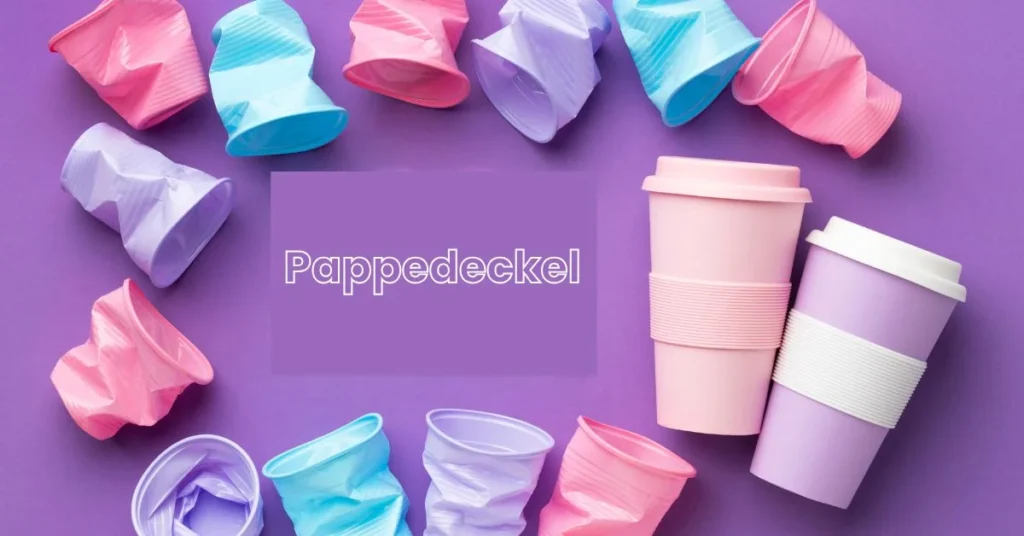
Pappedeckel, though primarily a practical item, has found its way into different cultures in various ways, often reflecting local values of sustainability and creativity. In many parts of the world, especially in Europe, these cardboard lids are widely used in food packaging and eco-friendly products, aligning with the growing global push towards reducing plastic waste.
In some cultures, Pappedeckel is also embraced in the crafting and DIY scene. It’s common for people to use these lids in art projects, such as creating personalized decorations or functional items like coasters and place cards. As sustainability becomes a key value in many societies, Pappedeckel’s use extends beyond packaging, symbolizing a shift toward eco-conscious practices worldwide. Whether in Europe, North America, or other regions, Pappedeckel is becoming a symbol of creativity and environmental responsibility.
The Many Uses of Pappedeckel
Pappedeckel is mainly used in the food industry to seal containers, keeping food fresh and safe from contaminants. These eco-friendly lids are a practical alternative to plastic, helping reduce waste.
In addition to food packaging, Pappedeckel is popular in DIY projects. People use it for crafts like making coasters, place cards, or even as a canvas for painting.
Businesses also use Pappedeckel for sustainable packaging, offering an eco-conscious choice for their products. Its versatility makes it a valuable item for both practical and creative purposes.
Conclusion
Pappedeckel, the small cardboard lid, plays a vital role in helping the environment. It is used in many ways, from food packaging to creative DIY projects, making it a practical choice for both businesses and individuals. By reducing plastic waste and promoting recycling, Pappedeckel is a great eco-friendly alternative.
As more people choose products that are good for the environment, Pappedeckel continues to gain popularity. Originally from Germany, it has now spread to many industries and cultures around the world. Whether for food, crafts, or design, this simple lid is making a big impact in creating a cleaner and greener planet.