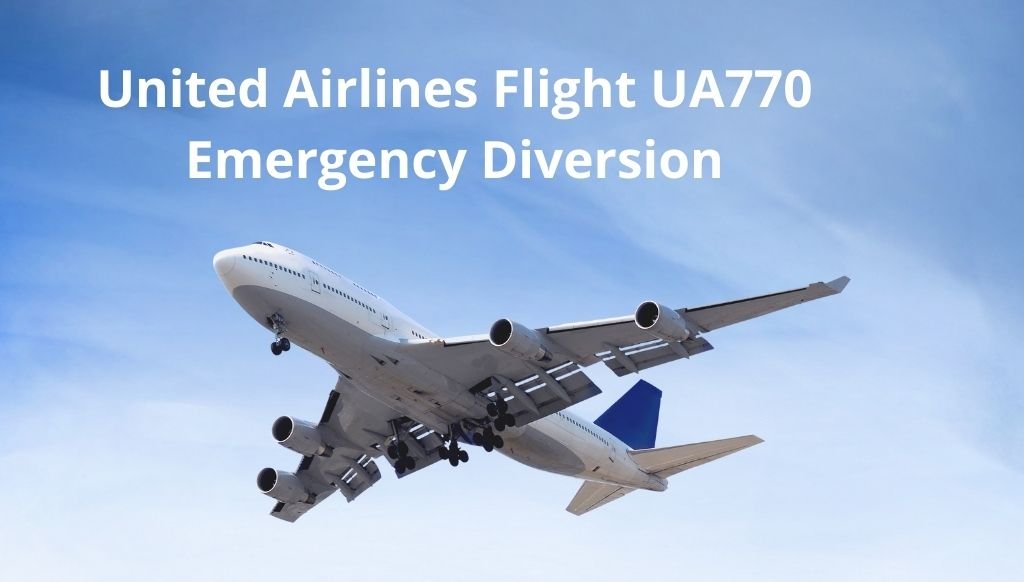
On the evening of August 14, 2025, United Airlines Flight UA770 was on its way from Los Angeles (LAX) to Chicago O’Hare (ORD) when something unexpected happened. The flight had to make an emergency landing at Denver International Airport (DEN) instead of reaching its original destination. This sudden change in plans drew a lot of attention, with people curious about why it happened and how safe the passengers were.
This event raised concerns because air travel is usually considered very safe and well-regulated. United Airlines has confirmed the emergency landing and started an investigation into what caused it. Passengers on board had a stressful experience, and authorities are now looking into the situation to make sure everyone’s safety was handled properly.
What Really Happened with United Airlines Flight UA770 Emergency Diversion?
United Airlines Flight UA770 Emergency Diversion, was flying from Los Angeles to Chicago on August 14, 2025. During the flight, something unusual happened that forced the plane to land early. Instead of landing in Chicago, the plane had to divert to Denver International Airport.
Passengers on board were surprised and worried. They didn’t know why the plane had to change its path. The airline confirmed there was an emergency, but didn’t give full details at first.
After the landing, United Airlines started investigating what caused the emergency diversion. They made sure everyone was safe, and authorities looked into what went wrong. Passengers were later able to continue their journey.
A quiet cabin changes into a place of controlled mess
As United Airlines Flight UA770 Emergency Diversion flew toward Chicago, the calm atmosphere in the cabin suddenly changed. Passengers recalled how things became a little chaotic when they heard the captain’s announcement. “We were halfway through the flight when the captain said there was a technical issue and that we’d be landing in Denver for safety,” said Lisa Hernandez, a passenger near the front.
Some passengers noticed that the oxygen masks didn’t drop, which meant the cabin stayed pressurized. Despite the unexpected situation, the flight attendants moved quickly to keep everyone calm. They spoke clearly and helped ease the worries of the passengers.
Surprisingly, there was no panic on board. Experts believe this was because the crew communicated well and acted fast, which helped keep everyone safe and collected. The experience showed how important a trained crew is in handling emergencies.
The Official Explanation: A Caution or a Concern?
“United Airlines Flight UA770 diverted to Denver as a precaution due to an onboard sensor alert. The plane landed safely, and passengers were taken care of. Safety is always our top priority.”
While the statement was meant to calm passengers, it raised more questions about what really happened. People wanted to know more details about the issue that caused the emergency landing.
Was It Just a Sensor?
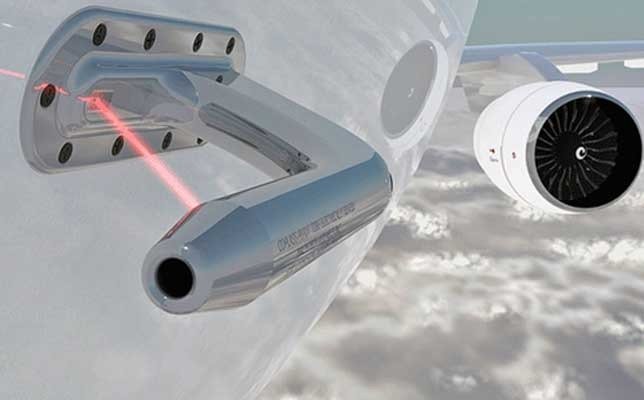
The explanation of a “sensor alert” left many wondering what exactly caused the emergency. Modern airplanes have many sensors that check everything, from the cabin pressure and temperature to the engine and other systems. So, what exactly triggered the emergency landing of United Airlines Flight UA770 Emergency Diversion?
Aviation expert Mark Kelner shared his thoughts on the situation. He said that most sensor issues don’t need emergency landings unless they affect important flight systems or backup systems. The fact that United Airlines decided to divert the flight suggests there might have been a serious malfunction or confusing readings from multiple sensors.
Passenger Reactions: Relief and Rebooking
When the plane landed in Denver, passengers were greeted by gate agents and medical staff, though no one needed medical help. Most passengers were booked on later flights with United, while some chose other airlines or stayed overnight in Denver.
On social media, people shared their thoughts using the hashtag #UA770. Some were thankful for the safe landing, while others were upset about missed connections and unclear updates.
One passenger, Jordan K., tweeted, “We’re glad the pilot made the call, but a little more transparency would have gone a long way.” The need for better communication became a hot topic online and in aviation discussions.
A Look at the Aircraft: Boeing 737 MAX 9
The aircraft involved in the diversion was a Boeing 737 MAX 9. Some people quickly remembered the past issues with the MAX series, but the FAA confirmed this particular plane had passed all recent checks and was not part of the grounding order earlier in the year.
According to Airfleets.net, this specific plane was delivered to United Airlines in late 2023 and had flown less than 2,000 hours. The maintenance records showed no major problems before the flight.
Even so, Boeing and United’s maintenance teams decided to work together and conduct a full inspection of the aircraft after the incident to make sure everything was in order.
The FAA and NTSB Involvement
The Federal Aviation Administration (FAA) didn’t start its own investigation, but it did ask United Airlines for a report after the flight. The National Transportation Safety Board (NTSB) hasn’t launched an official investigation but is closely watching the situation.
Experts say if there is more evidence of a mechanical issue, a formal investigation could happen. This could turn the United Airlines Flight UA770 Emergency Diversion into an important case, showing how early actions can affect how the industry deals with similar situations in the future.
The Growth of Data-Driven Distractions
As airplanes get more advanced, they rely more on data and predictive technology. Some experts believe that the UA770 incident shows how future flights will handle problems early by using data to spot potential issues before they become emergencies.
Although Flight UA770 didn’t experience a serious failure, the aircraft’s systems likely detected something unusual, prompting the crew to make a careful decision. This use of predictive maintenance is a positive step for safety, even if it leads to occasional delays.
The Price of Safety: Money vs. Choices
Emergency diversions come with a high price tag. United Airlines likely faced costs for rebooking passengers, providing accommodations, inspecting the aircraft, fuel, landing fees, and offering compensation like vouchers or refunds.
However, these costs are much lower than the damage a real in-flight emergency could cause. The United Airlines Flight UA770 Emergency Diversion serves as a clear example of managing risk—making a decision that costs money now to avoid a much bigger safety issue later.
Airline Communication in the Social Media Age
After the diversion, United Airlines’ social media accounts stayed quiet, directing all media questions to their press office. Meanwhile, passengers took to social media, sharing photos, flight tracker screenshots, and their personal stories.
This situation highlights a big challenge for airlines today: managing communication quickly and effectively. Aviation crisis communication experts suggest that airlines should provide clear, honest, and detailed updates in real-time. Simple, generic statements can make people suspicious, even if everything is being handled properly.
Was It Preventable?
Some people believe the diversion might have been too much, thinking that a sensor issue alone shouldn’t have caused the plane to land at a different airport. However, pilots are trained to always be cautious.
Captain Richard M., a seasoned United pilot, explained: “We train for situations where the first sign is the only warning we get. If there’s any doubt, we divert. It’s not about fear, it’s about following the rules.”
This approach matches the FAA’s safety standards, which focus on making decisions that prevent problems from getting worse.
Lessons Learned and What’s Next for In-Flight Safety
The emergency diversion of United Airlines Flight UA770 adds to the ongoing evolution of air travel safety. While no mechanical failure was confirmed, the decision to divert as a precaution highlights aviation’s growing focus on predicting and preventing problems before they happen, rather than reacting after the fact.
Looking ahead, passengers can expect:
- More proactive diversions to ensure safety
- Smarter, AI-driven aircraft monitoring systems
- Better communication tools for passengers during in-flight events
- Greater transparency about the reasons for diversions.
Conclusion
The United Airlines Flight UA770 Emergency Diversion on August 14, 2025, shows how air travel safety is improving. Although no mechanical failure was found, the decision to land in Denver because of a sensor warning highlights how airlines are focusing on safety before problems get worse. Passengers were safely rebooked, and the crew kept everyone calm during the event.
As technology gets better, flights will likely see more early warnings that help prevent bigger issues. This incident taught the importance of clear communication, quick updates, and being honest with passengers.
In the future, we can expect better safety measures, smarter technology to monitor planes, and clearer communication during emergencies. While diversions are costly, safety will always come first.