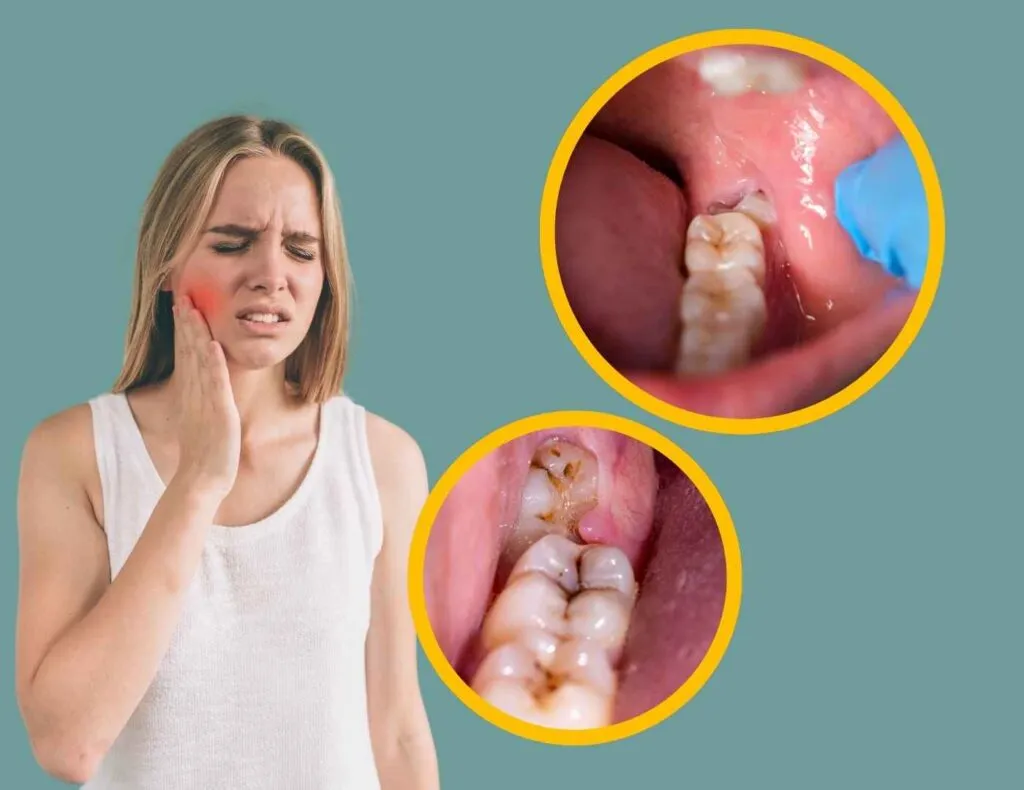
Tooth nerve pain can strike suddenly—sharp, throbbing, and completely overwhelming. Whether caused by a deep cavity, exposed nerve, or infection, it can interfere with eating, speaking, and sleeping. Many people search online for ways to kill tooth pain nerve in 3 seconds permanently, but the reality is more nuanced.
In this article, we’ll explain why permanent nerve pain relief cannot happen instantly at home, what safe temporary remedies exist, and how dental professionals can truly eliminate the problem.
Can You Really Kill Tooth Nerve Pain in 3 Seconds?
Let’s be clear: there is no home remedy or over-the-counter product that can permanently destroy a tooth nerve in three seconds. The dental nerve, also called the pulp, is deep inside your tooth, surrounded by hard enamel and dentin. To remove or “kill” this nerve, a professional dental procedure like a root canal or tooth extraction is required.
That said, you can relieve pain quickly until professional care is possible. Temporary methods can reduce inflammation, numb the area, and make the discomfort more manageable.
Fast Relief: Safe Home Remedies to Soothe Tooth Nerve Pain
While home remedies won’t permanently remove the nerve, they can provide short-term comfort. Here are the most effective options:
1. Clove Oil
- Contains eugenol, a natural anesthetic with antibacterial properties.
- Apply a small amount on a cotton ball and press against the painful tooth for temporary numbness.
- It can help reduce swelling and pain for several hours.
2. Cold Compress
- Wrap ice in a cloth and hold it against your cheek for 15–20 minutes.
- Helps reduce swelling and dull, sharp pain.
- Best for inflammation-related nerve pain.
3. Saltwater Rinse
- Dissolve one teaspoon of salt in warm water and rinse your mouth thoroughly.
- Kills bacteria and soothes irritated gums near the nerve.
- Repeat 2–3 times a day for relief.
4. Garlic Paste
- Crush a garlic clove and apply it to the affected tooth.
- Garlic has natural antimicrobial and anti-inflammatory properties.
- Helps temporarily reduce nerve irritation.
5. Over-the-Counter Pain Relief
- NSAIDs like ibuprofen or acetaminophen can reduce pain and inflammation.
- Always follow the recommended dosage and consult your pharmacist or dentist if unsure.
Dealing With an Exposed Tooth Nerve
An exposed nerve is extremely sensitive and can cause severe pain when exposed to hot, cold, or sugary foods. Temporary measures include:
- Cover the exposed area with dental wax or sugar-free gum.
- Avoid foods that trigger sharp pain.
- Use benzocaine-based gels cautiously for numbing.
- Rinse with saltwater to reduce infection risk.
These steps protect the nerve temporarily but cannot eliminate the pain permanently.
Professional Methods to Permanently Kill a Tooth Nerve
If your goal is permanent relief, only a dental professional can address the issue safely:
Root Canal Therapy
- Removes the inflamed or infected nerve (pulp).
- Cleans the inner chambers of the tooth and seals them to prevent reinfection.
- The most effective method for permanent tooth nerve pain relief while saving the tooth.
Tooth Extraction
- Required when the tooth is too damaged to save.
- Removes the entire tooth and its nerve.
- Often followed by a dental implant or bridge to restore function.
Both procedures are performed under sterile conditions with proper anesthesia, making them safe and effective.
When Should You Call a Dentist?
Persistent tooth nerve pain should never be ignored. Contact your dentist if you experience:
- Throbbing or persistent pain lasting more than 24–48 hours
- Swelling in the gums, jaw, or face
- Sensitivity to hot, cold, or pressure
- Foul taste, odor, or pus around the tooth
- Fever or other signs of infection
Ignoring nerve pain can lead to abscesses, tooth loss, or systemic infections.
Quick Tips to Prevent Tooth Nerve Pain
- Maintain daily brushing and flossing to prevent cavities and gum disease.
- Avoid excessive sugary foods and drinks.
- Visit your dentist for regular checkups every 6 months.
- Address small dental issues early before they reach the nerve.
Final Thoughts
While it’s tempting to believe in instant cures for tooth nerve pain, permanent relief is only possible through professional dental care. Home remedies and quick fixes provide temporary comfort but cannot eliminate the nerve itself.
If you’re suffering from persistent tooth pain, don’t wait. Schedule an appointment with your dentist. Procedures like root canal therapy can remove the nerve pain permanently, restore oral health, and let you eat, sleep, and smile without discomfort.
FAQs
Can I kill tooth nerve pain permanently at home?
No, tooth nerve pain requires professional treatment like a root canal or tooth removal. Home remedies can only provide temporary relief, not a permanent fix.
How long do home remedies relieve tooth nerve pain?
Home remedies, like ice or clove oil, provide temporary relief for a few hours. They don’t treat the root cause, so you’ll need to see a dentist for lasting relief.
Is root canal therapy painful?
Root canal therapy is not painful due to anesthesia. You may feel mild discomfort afterward, but it’s manageable with pain relievers. It’s the best solution for long-term nerve pain relief.
Can a tooth nerve heal on its own?
No, a damaged or infected tooth nerve won’t heal without treatment. If untreated, it can lead to more serious issues like infection or abscess, requiring dental care like a root canal.
When should I see a dentist for nerve pain?
See a dentist if pain lasts more than 1–2 days, worsens, or if you notice symptoms like swelling, fever, or bad taste. Early treatment prevents complications and helps relieve pain.