Delta Flight DL275 was supposed to fly across the Pacific, but it made an unexpected stop at LAX instead. While it’s not rare for flights to be diverted, this one has caught the attention of many travelers and experts in aviation.
This article explains why the plane was diverted, how Delta handled the situation, what passengers experienced, the impact on airline operations, and what it could mean for international flights in the future.
An Ordinary Flight Becomes Unexpected: Summary of DL275
Delta Flight DL275 was originally scheduled as a routine long-haul flight from Tokyo Haneda (HND) to Atlanta (ATL). Normally, the flight takes around 11 to 13 hours. But something unexpected happened during the journey.
As the plane approached Atlanta, it suddenly changed course. The flight was diverted to LAX instead. The unexpected change took many passengers by surprise.
Passengers were confused and worried about what had happened. The unexpected diversion made people wonder about the safety measures in place. It also raised questions about how airlines handle emergencies and unexpected situations during long international flights.
Understanding the Diversion: What Happened?
Delta Air Lines first stated that Flight DL275 was diverted “as a precaution due to a mechanical issue.” However, further details revealed that several factors contributed to the decision.
Weather Wasn’t the Problem
Many people believed that bad weather in Atlanta might have been the reason for the diversion. However, reports from the FAA showed clear skies and only light wind, ruling out weather as the cause.
Instead, sources close to the situation revealed that an alert from the plane’s monitoring system showed a potential issue with the fuel system. While it wasn’t an emergency, the alert triggered a safety protocol. This meant the plane had to make a precautionary landing at the nearest airport with proper facilities — Los Angeles International Airport (LAX).
Passenger Experience Onboard DL275
Passengers on Flight DL275 reported that they were kept well-informed throughout the unexpected diversion. Several individuals shared their experiences on social media, noting that:
- The cabin crew remained calm and professional.
- The pilot made frequent announcements to explain the situation.
- There was no panic onboard; instead, the atmosphere was calm and trusting.
One passenger, Sarah Thompson, who was seated in the main cabin, said, “I travel a lot, and this was one of the best responses I’ve seen during an unexpected situation. Delta’s staff made all the difference in keeping everyone calm.”
Why LAX? Strategic Factors Behind the Diversion
Although there were other airports within range, like San Francisco (SFO) and Salt Lake City (SLC), Delta chose LAX for several important reasons:
- Delta has a major operational hub at LAX, with dedicated maintenance teams available.
- LAX is well-equipped to handle international arrivals, including customs and immigration facilities.
- The airport’s proximity to Delta’s West Coast support services meant a quicker response and faster turnaround.
So, while it might seem odd that Delta Flight DL275 diverted LAX instead of continuing or landing somewhere closer, in aviation terms, it was the safest and most practical decision.
How ETOPS Affects Long-Haul Flight Diversions
ETOPS stands for Extended-range Twin-engine Operational Performance Standards. It’s a certification given to twin-engine planes, like the Airbus A350 or Boeing 777 (which Delta uses for this route), allowing them to fly long distances over oceans and remote areas far from emergency landing options.
If there’s even a small issue with the plane’s systems, especially related to fuel or engine diagnostics, ETOPS protocols are triggered. The focus shifts to ensuring a safe landing, even if it means delaying the flight. So, when Delta Flight DL275 diverted LAX, it wasn’t just a decision based on airline policy; it followed strict international safety standards.
Operational Impact and Flight Logistics
When an international flight is diverted, it causes more than just a hassle for passengers; it also disrupts the airline’s operations:
- Crew duty time limits can be exceeded during unexpected diversions.
- Aircraft turnaround times are impacted.
- Return flights may need to be rescheduled or rerouted.
- Handling baggage and cargo becomes more complicated, especially with customs involved.
Delta’s operations team swiftly responded to reduce the impact of the disruption. After the plane landed at LAX, most passengers were either put on alternative flights to Atlanta or provided with overnight accommodation, meals, and transportation vouchers.
Media Response and Public Opinion
When Delta Flight DL275 was diverted, it made the news across many websites, travel blogs, and news channels. A lot of people praised Delta for handling the situation well, especially because they kept passengers informed about what was happening.
However, some news outlets and social media users were worried about the delay in getting real-time updates. At first, this caused some confusion, and people started to wonder if the problem was worse than what was being shared.
As more official updates were given and the situation became clearer, the public’s trust in Delta improved. In the end, most people felt more positive about how the airline dealt with the situation, rather than critical.
Long-Term Implications for Delta and the Industry
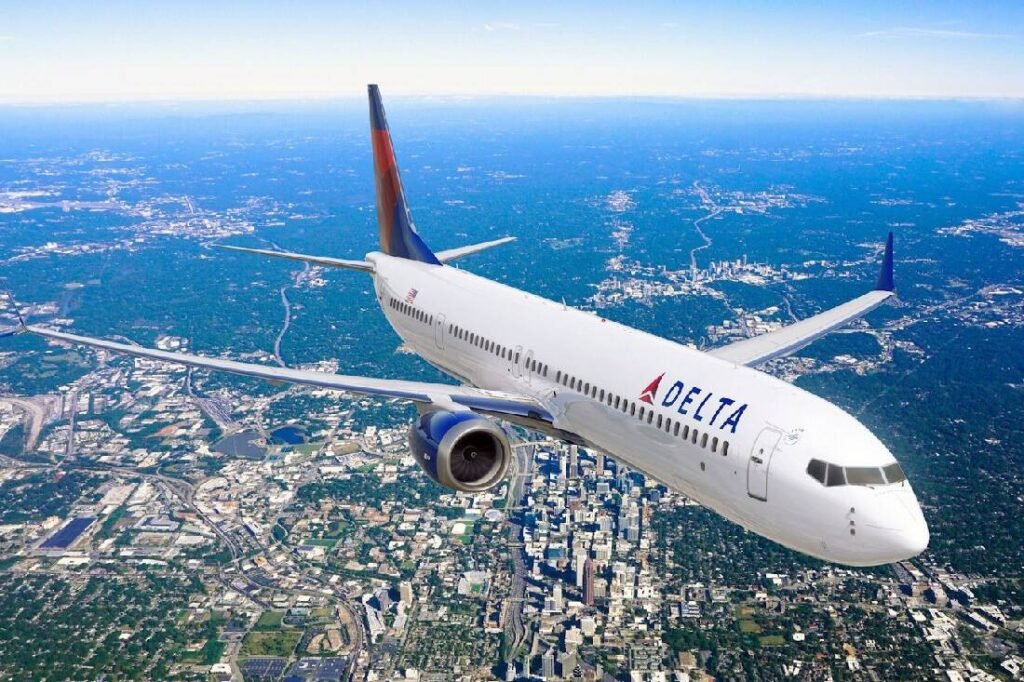
The diversion of Delta Flight DL275 may have immediate effects, but it also holds long-term lessons for the airline and the aviation industry as a whole:
- Improved Safety Protocols: The situation could lead Delta and other airlines to review and refine their safety procedures, ensuring they’re ready for similar events in the future.
- Trust in Airline Operations: How Delta handled the diversion may strengthen passenger trust. Travelers may feel more confident knowing that airlines take swift, transparent action during unexpected situations.
- Impact on Future Flights: The incident could lead to tighter regulations and more careful monitoring of long-haul flights. Airlines may invest in better technology to prevent similar issues and improve communication with passengers.
- Industry-Wide Learning: The entire aviation industry might learn from Delta’s response. This could encourage other airlines to improve their emergency plans, ensuring a higher level of safety and better handling of diversions.
While this incident was unexpected, it could ultimately lead to positive changes that improve safety, transparency, and the passenger experience in the future.
Important Lessons for Travelers from DL275’s Diversion
The diversion of Delta Flight DL275 offers several valuable lessons for travelers:
- Safety Comes First: In unexpected situations, airlines prioritize passenger safety. Even if it means a change of plans, safety protocols are always followed to prevent potential risks.
- Stay Informed: Keeping track of updates from the airline and flight crew is crucial. While it can be unsettling, staying informed helps reduce confusion and anxiety.
- Patience is Key: Flight diversions can be stressful, but patience is important. Airlines work hard to resolve issues and ensure passengers are safely on their way.
- Trust the Crew: The professionalism of the flight crew during an emergency is vital. Trusting their experience and communication can make the situation less stressful.
- Be Prepared for the Unexpected: While rare, diversions and delays are a part of air travel. It’s always a good idea to plan for potential delays, keep essentials like snacks and chargers handy, and be flexible with your plans.
In the end, DL275’s diversion shows that staying calm, informed, and understanding helps passengers handle unexpected situations with more ease.
Conclusion
Delta Flight DL275 was diverted to LAX because of a potential issue with the fuel system. The weather wasn’t the cause, as the skies were clear in Atlanta. LAX was chosen because it had the right facilities for a safe landing.
The crew kept passengers informed and calm throughout the situation. While it was a surprise, Delta’s quick actions helped ease concerns. Passengers praised the airline for handling the diversion well.
This event shows how important safety rules are for flights. It’s a reminder that diversions can happen, and staying calm helps. The situation could lead to better safety and communication for future flights.